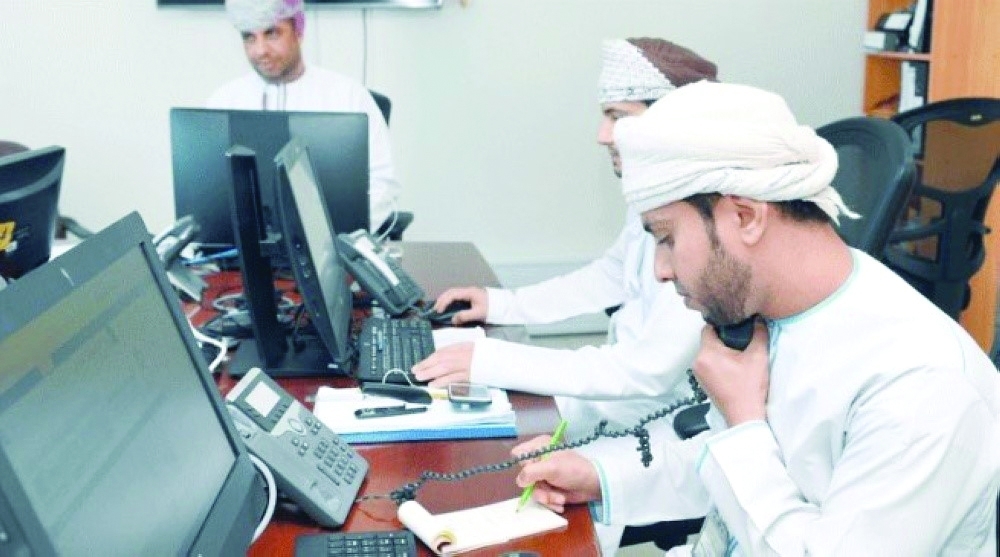





Dementia and Alzheimer’s disease are growing health concerns in Oman, with cases projected to reach 124,800 by 2050. The Ministry of Health (MoH) and the Oman Alzheimer’s Society (OAS) are spearheading support and awareness programmes to tackle these brain diseases. The annual incidence of Alzheimer’s among those over 60 is estimated at 1.5 per 1,000 person-years, with prevalence rising sharply with age. In 2020, dementia accounted for 2.18 per cent of all deaths in Oman.
Dementia is a condition caused by brain diseases and affects memory, thinking and the ability to function. More than 57 million people live with dementia worldwide and nearly 10 million people get newly diagnosed every year. Alzheimer’s disease is the most common form of dementia and is estimated to account for 60-70 per cent of cases.
World marks Alzheimer’s month in September. The 2026 campaign theme is “The Earlier You Know, The More You Can Do: A Dementia Diagnosis Matters”. It focuses on tackling global stigma and highlighting the benefits of a timely diagnosis.
While there is no cure for dementia, a new announcement by the WHO (World Health Organization) is giving the silver line of hope to those who are at the verge of getting their memories erased or finding it difficult to recognise their dear ones after a certain age.
As much as 45 per cent of the risks can be attributed to tobacco, social isolation, physical inactivity, air pollution and noncommunicable diseases (NCDs), including high blood pressure and diabetes. Beyond health, dementia affects a person’s independence, dignity and safety.
WHO’s new guidelines reflect the latest evidence and innovations in dementia risk reduction providing proven interventions that can effectively lower dementia risk through early awareness and timely action. They represent an important opportunity to reduce the burden of dementia in the coming decades through stronger integration of services for noncommunicable diseases, mental health and brain health.
“We know more today than ever before about what drives dementia risk, and these guidelines translate that knowledge into action,” said Dr Tedros Adhanom Ghebreyesus, WHO Director-General, adding that “Countries now have clear, evidence-based recommendations they can put into practice immediately to protect people’s cognitive health.”
The updated guidelines on reducing the risk of cognitive decline and dementia, providing countries with evidence-based recommendations to help prevent or delay the onset of dementia across the life course, also give recommendations on addressing unhealthy behaviours, managing medical conditions, and reducing exposure to environmental factors that may contribute to cognitive decline and dementia.
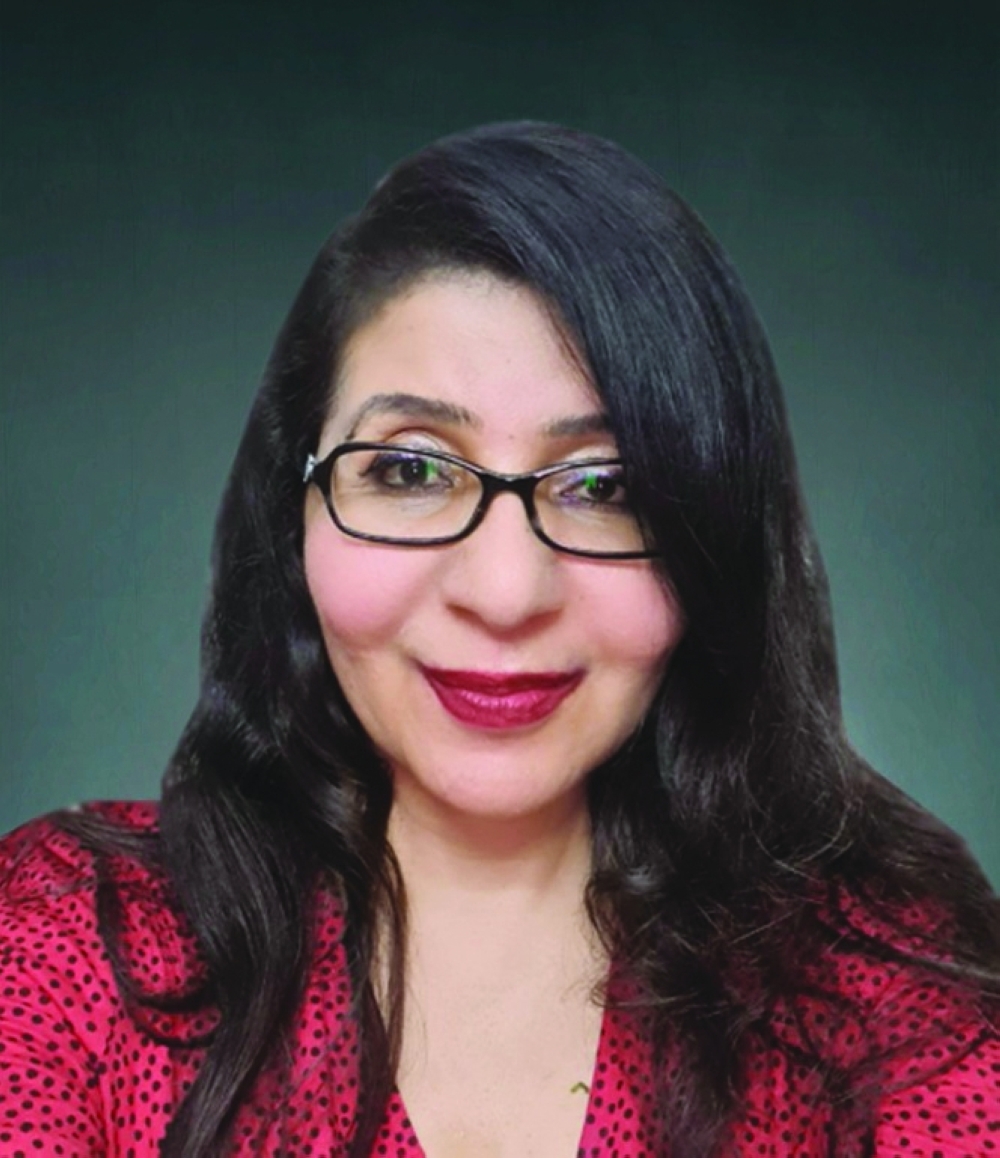
Dr Saleha al Jadidi, Consultant Psychiatrist, said that early detection of Alzheimer’s in Oman can be challenging, as significant brain damage may have already occurred by the time symptoms become noticeable and rising figures are also linked to better diagnostic skills among Omani physicians.
Management of cardiometabolic conditions such as hypertension, diabetes, and high cholesterol can also help reduce dementia risk. Further, hearing aids may be offered as part of risk-reduction strategies. The guidelines recommend several healthy behaviours and lifestyle interventions to reduce dementia risk, including cognitive training and cognitive stimulation and engagement in social activities for adults who have normal cognition or are experiencing mild cognitive impairment.
Oman’s diagnostic services and support are primarily coordinated through major institutions like Sultan Qaboos University Hospital (SQUH) and regional MoH facilities. Also, the Oman Alzheimer’s Society (OAS), founded in 2013 by Dr Hamed al Sinawi, continues to provide support, raise awareness and advocate for dementia care. The Dementia Friends Programme aims to educate the public and foster understanding in the country.
Oman Observer is now on the WhatsApp channel. Click here